

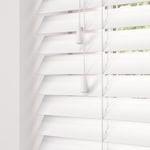
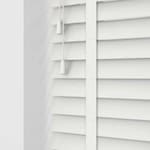
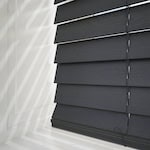
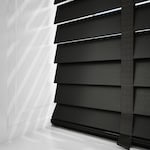
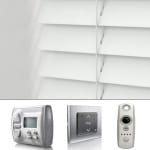















Cleaning Wooden Venetian Blinds
Clean regularly with a dry or slightly damp, lint-free cloth, feather duster or brush attachment of your vacuum cleaner.
Open blinds fully for easy access and maximum visibility. If wiping the blinds, wipe the slats from the centre outwards. Start at the top of the blinds moving downwards to stop dust falling on areas where you have just cleaned.
Remember these blinds are real wood. Do not clean or soak with water as this will cause the wood blind to warp. To restore the lustre of the wood use a non wax furniture polish and a lint free cloth ensuring you don’t leave any moisture on the blind.
For advice by slat material and finish, see how to clean Venetian blinds by material.
Cleaning Aluminium Venetian Blinds
Clean regularly with a dry or slightly damp, lint-free cloth, feather duster or brush attachment of your vacuum cleaner.
Be gentle as the slats may bend. Very dirty blinds can be washed with a mild washing up liquid and water mixture, add a drop of vinegar to prevent streaks.
Cleaning Roof Blinds
Clean regularly with a clean, dry lint free cloth.
Most roof blind fabrics can be easily wiped with a mild washing up liquid and water mixture. Make sure you check the label first though.
Cleaning Shutters
Clean regularly with a dry or slightly damp, lint-free cloth, feather duster or brush attachment of your vacuum cleaner. Open blinds fully for easy access and maximum visibility. If wiping the blinds, wipe the slats from the centre outwards. Start at the top of the blinds moving downwards to stop dust falling on areas where you have just cleaned.
Remember Cheapest Blind UK Blinds are real wood. Do not clean or soak with water as this will cause the wood blind to warp. To restore the lustre of the wood use a non wax furniture polish and a lint free cloth ensuring you don’t leave any moisture on the blind.
Cleaning Roman Blinds
Gently Vacuum regularly using the brush/upholstery attachment.
Roman blind fabrics can usually be removed for cleaning. Check whether they are dry clean, hand-wash or machine washable. Make sure you keep a note of how the blind fits back together.
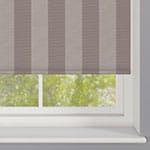
Cleaning Roller Blinds
Clean regularly with a clean, dry cloth.
Most roller blind fabrics can be easily wiped with a mild washing up liquid and water mixture. Make sure you lie the blind flat for cleaning to prevent damaging the fabric.
For step-by-step advice on dusting and treating marks, see how to clean roller blinds without damaging the fabric.
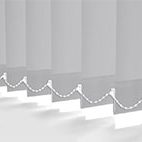
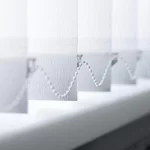
Cleaning Vertical Blinds
For routine dusting and material-specific care, read our guide on how to clean vertical blinds without taking them down.
Gently Vacuum regularly using the brush/upholstery attachment.
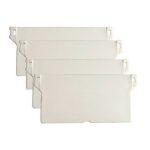
The good thing about vertical blinds is that each of the louvres can be taken down separately for either cleaning or replacement. We are able to replace individual louvres for customer providing the fabric is still in production.
Most vertical blind fabrics can be easily wiped with a mild washing up liquid and water mixture. Make sure you lie the blind flat for cleaning to prevent damaging the fabric.
Dealing with Mould
Do not dry-brush, shake or use ordinary vacuuming to remove visible mould from blinds. Pause routine dusting and seek appropriate advice promptly, especially if growth is extensive, keeps returning or affects inaccessible parts.
Identify the blind material and finish before choosing a treatment. A cleaner intended for bathroom tiles is not automatically suitable for coated fabric, real wood, cords, tapes or a blind mechanism. Do not use a universal vinegar, baking-soda or bleach recipe, and never mix cleaning products.
For a small affected area on an intact, non-absorbent surface, cleaning may be appropriate only when the treatment is suitable for both the mould-removal task and that exact surface. Follow the treatment label and the blind care instructions, including ventilation, protective equipment, contact time, residue removal and drying. Keep liquid away from mechanisms and electrical components. Get professional advice if you cannot follow the required precautions.
Mould in absorbent fabric, porous wood-based components or inaccessible folds may not be removable by surface wiping. Ask about an approved specialist treatment, compatible replacement parts or a replacement blind. A faded stain or cleaner-looking surface does not prove that the affected material is suitable to keep.
Address the underlying moisture as well as the blind. Persistent condensation, leaks or other damp need investigation; cleaning or replacement alone will not prevent recurrence. For wider guidance, see government advice on damp and mould. For help identifying the blind or replacement components, contact our team.